director
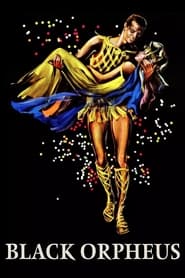
“I’m going to start with my all-time favorite film, Black Orpheus, which… if you have any relatives who were around in the late ’50s, early ’60s, like my dad, you know, men of a certain generation, they all wanted to move to Brazil and marry Marpessa Dawn. So that goes in the bag.”
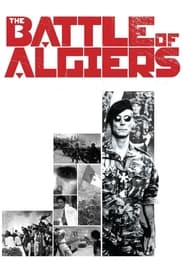
“This film right here. Man, this film rocked my world. I saw this in film school. Damn. Battle of Algiers. You cannot say you are a film aficionado if you have not seen this film. You need to know about Battle of Algiers.”
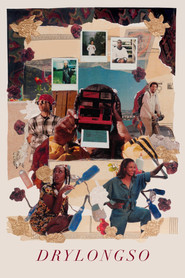
“One of the best American independent filmmakers working and living today, Cauleen Smith. Drylongso. The way she uses color and composition in talking about, like, what’s happening in the ’90s in Oakland, California, and the artists’ process, and the love that she puts into the making of this film is just incredible.”
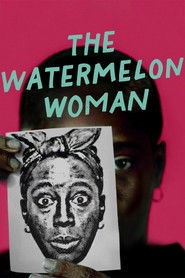
“And then my homie from Philly! Watermelon Woman, another classic. You got to know about Cheryl Dunye. Watermelon Woman, there you go.”
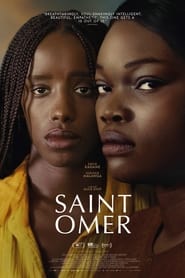
“Saint Omer, Alice Diop. Golly! This makes you think hard and deep about parenting, motherhood, all kinds of fields. Truly, truly, truly a masterpiece, a courtroom drama. Masterpiece, masterpiece. You got to see it.”
“Bruce Lee, kung-fu movies. Yes. Those were my jams, man. I think that’s probably, like, influenced… Anything that I wanted to learn about how you do cinematic movement, framing for action and things about shot sizes, etc., this box set will really kind of give you a whole lot of details. There’s a lot of things on, you know, the features. Don’t be snoozing on the features, folks.”
“Then Martin Scorsese, in addition to being a great filmmaker, Martin Scorsese has this World Cinema Project. Sambizanga, this is, like, the very first feature film by a Black woman that’s made on the continent of Africa. So, Sambizanga from Angola, 1972. Beautiful film. Sarah Maldoror was the assistant director on… Battle of Algiers. There are some other great films on here, too. Muna moto is another really good film that you got to check out.”
“Sembène Ousmane, come on. This particular one has Emitaï, Xala, and Ceddo. Xala is one of my personal favorites. It’s a critique of neocolonialism. It’s funny, it’s biting humor. It’s a book. You can read the novel. You can watch the film. It just provokes so much conversation from people whenever they watch it. It’s a really, really good film.”